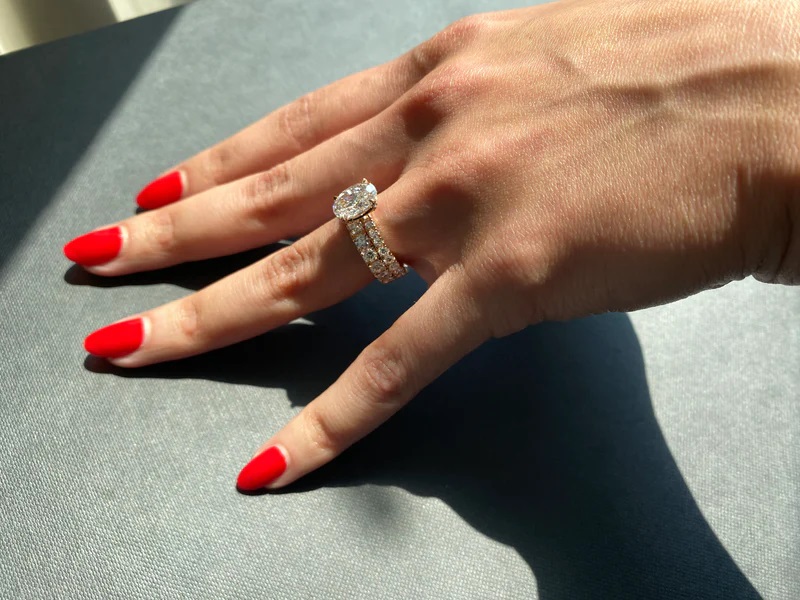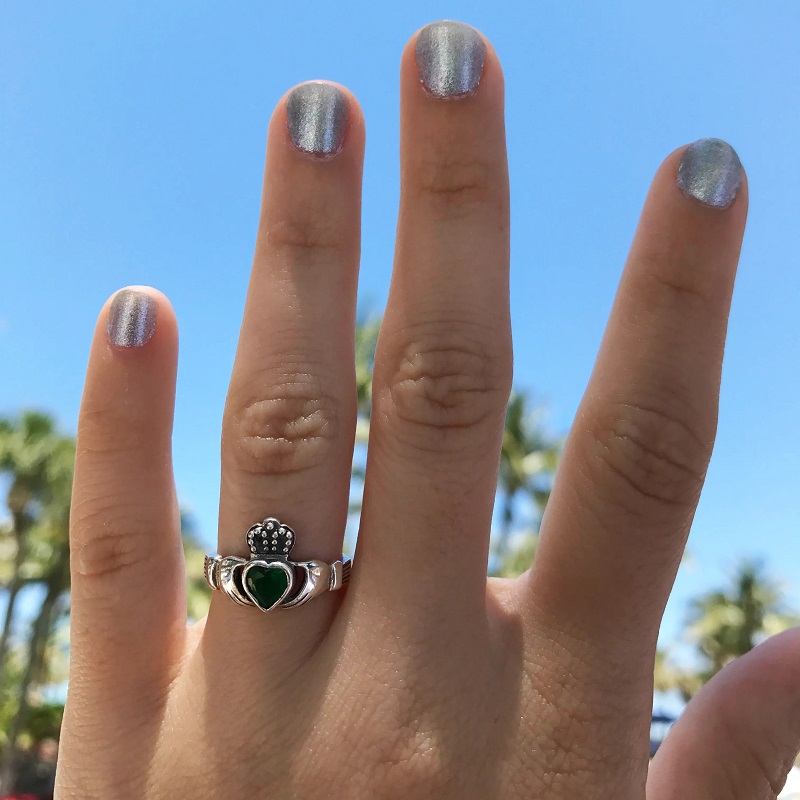

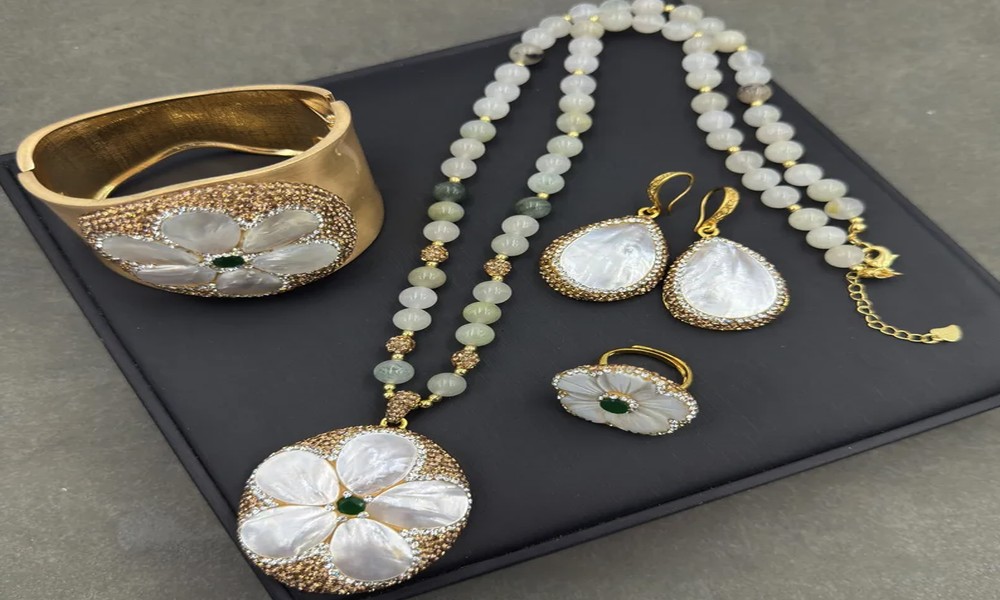
For independent boutique owners, social sellers, and emerging online brands, inventory management is a constant balancing act. You need enough variety to keep your storefront looking fresh and exciting, but you cannot afford to tie up all your working capital in unproven styles. Historically, the jewelry wholesale industry made this balance nearly impossible. Suppliers demanded high Minimum Order Quantities (MOQs), forcing small retailers to buy 50 or 100 pieces of a single design just to access wholesale pricing.
This traditional model created a massive barrier to entry and a high risk of dead stock. Today, the landscape has shifted. The rise of no-MOQ wholesale jewelry platforms has democratized the sourcing process, allowing retailers of all sizes to buy exactly what they need, when they need it. This guide will explore what no-MOQ sourcing entails, why it is the most effective strategy for modern retail, and how to implement it successfully using platforms like Nihaojewelry.
What Is No-MOQ Wholesale Jewelry?
MOQ stands for Minimum Order Quantity. It is the lowest number of units a supplier is willing to sell in a single order. In the traditional wholesale model, a factory might set an MOQ of 100 pieces per SKU (Stock Keeping Unit) to ensure their production run is profitable.
No-MOQ wholesale jewelry means exactly what it sounds like: there is no minimum requirement for the number of items you must purchase to secure wholesale pricing. You can buy a single pair of stainless steel hoop earrings, one 925 sterling silver necklace, and two copper rings, all at the wholesale rate. Platforms like Nihaojewelry aggregate inventory from numerous factories, absorbing the bulk production requirements so that individual retailers can purchase in micro-quantities.
Why No-MOQ Sourcing Is Essential for Small Businesses
The ability to order single items at wholesale prices fundamentally changes how a small jewelry business operates. It shifts the power dynamic from the supplier to the retailer, offering several critical advantages.
1. Drastically Reduced Financial Risk
When you are forced to buy 50 pieces of a trendy necklace, you are making a significant financial gamble. If the trend passes before you sell through the inventory, you are left with dead stock that ties up your cash flow. No-MOQ sourcing eliminates this risk. You can order two or three pieces of a new style to test the waters. If it sells out immediately, you can reorder. If it flops, your financial loss is negligible.
2. Unprecedented Catalog Variety
Modern consumers crave novelty. They want to see new arrivals every time they visit your website or Instagram page. With a limited budget and high MOQs, you can only afford to launch a few new styles a month. With no-MOQ wholesale jewelry, that same budget can be spread across dozens of different SKUs. This allows you to offer a massive, constantly refreshing catalog that keeps your audience engaged and returning for more.
3. Agile Response to Viral Trends
Fashion trends, particularly in jewelry, can explode overnight on platforms like TikTok. By the time a traditional retailer places a bulk order, waits for production, and receives the shipment, the trend may already be waning. No-MOQ platforms typically hold vast amounts of ready-to-ship inventory. When a specific style of chunky gold ring goes viral, you can order a small batch immediately and have it in your store within days, capturing the peak of the trend’s demand.
How to Implement a No-MOQ Testing Strategy
The true power of no-MOQ sourcing lies in the ability to test products rigorously before committing to larger inventory positions. Here is a structured approach to testing new jewelry collections.
1. Define Your Test Parameters
Before you start adding items to your cart, establish clear rules for your test. Decide on a fixed budget for the initial order (e.g., $200). Determine the duration of the test period (e.g., 30 days from the launch date). Finally, define what success looks like. For instance, a style might be considered a “winner” if it sells out within the first 14 days.
2. Curate a Micro-Collection
Do not test random, disconnected pieces. Curate a cohesive micro-collection of 8 to 12 SKUs that tell a specific visual story. For example, you might test a “Minimalist Office” collection featuring small geometric studs, delicate paperclip chains, and simple cuff bangles. Order 2 to 3 units of each SKU. A cohesive collection is easier to market and provides clearer data on whether your audience responds to that specific aesthetic.
3. Analyze the Results and Reorder
At the end of your test period, review the sales data. The items that sold out quickly are your winners; these should be reordered in larger quantities. The items that saw moderate sales can be reordered in small batches. The items that did not sell should be discounted to clear the inventory and not reordered. This data-driven approach ensures that your capital is always invested in products with proven demand.
Adapting Your Approach in Different Scenarios
The flexibility of no-MOQ sourcing allows you to adapt your strategy based on the specific needs of your business at any given time.
1. Launching a Subscription Box
If you run a monthly jewelry subscription box, variety is your primary selling point. No-MOQ sourcing allows you to curate highly diverse boxes without holding massive amounts of backstock. You can order exactly the number of pieces you need for your current subscriber count, ensuring you never over-purchase.
2. Expanding into New Categories
Suppose your boutique currently specializes in 925 sterling silver, but you want to test the market for more affordable stainless steel pieces. Instead of committing to a massive bulk order, you can use a no-MOQ platform to source a small selection of stainless steel rings and necklaces. This allows you to gauge your existing customers’ interest in the new material without risking your core business capital.
3. Catering to Niche Markets
Perhaps you have a small segment of customers asking for specific items, like body piercing jewelry or men’s Cuban link chains. These might not be your core products, so a bulk order is unjustified. No-MOQ sourcing allows you to serve these niche requests profitably, keeping those customers loyal to your boutique rather than forcing them to shop elsewhere.
Troubleshooting Common No-MOQ Challenges
While no-MOQ sourcing solves many problems, it introduces a few unique challenges, primarily related to logistics and consistency.
|
Challenge |
Cause |
Solution |
|---|---|---|
|
High Per-Unit Shipping Costs |
Shipping a few lightweight items internationally is inefficient. |
Consolidate your orders. Wait until you have a larger batch of items to restock or test before placing the order to optimize the shipping cost per unit. |
|
Stockouts on Winning Items |
The platform sells out of the item you just tested successfully. |
When testing, choose items from suppliers that show high inventory levels. Once a test proves successful, place the restock order immediately. |
|
Inconsistent Packaging |
Ordering from multiple factories via one platform can result in varied packaging. |
Source your own branded packaging (boxes, pouches) and repackage the items yourself before shipping to the final customer to maintain brand consistency. |
|
Batch Variations |
Reordering an item weeks later may result in slight color or size differences. |
For core, evergreen items, transition from no-MOQ testing to larger volume orders to ensure consistency across a single production batch. |
The Transition: From No-MOQ Testing to Volume Purchasing
No-MOQ sourcing is the ultimate tool for testing and discovery, but it is not always the most cost-effective strategy for your proven bestsellers. As your business grows, your sourcing strategy should evolve.
Recognizing When to Scale
When a specific SKU-such as a waterproof PVD-coated stainless steel hoop-consistently sells out month after month, it graduates from a “test item” to a “core basic.” At this point, ordering two or three pieces at a time becomes inefficient. You are paying more in shipping frequency and risking stockouts that cost you sales.
Leveraging Volume Discounts
Most wholesale platforms, including Nihaojewelry, offer tiered pricing. While you can buy one piece at a great wholesale rate, buying 50 or 100 pieces of that same item will unlock an even lower per-unit cost. Once an item is a proven winner, transition to volume purchasing for that specific SKU. This maximizes your profit margin on the items you know will sell, while you continue to use the no-MOQ strategy to test new, unproven styles.
Conclusion: Agility is the New Retail Advantage
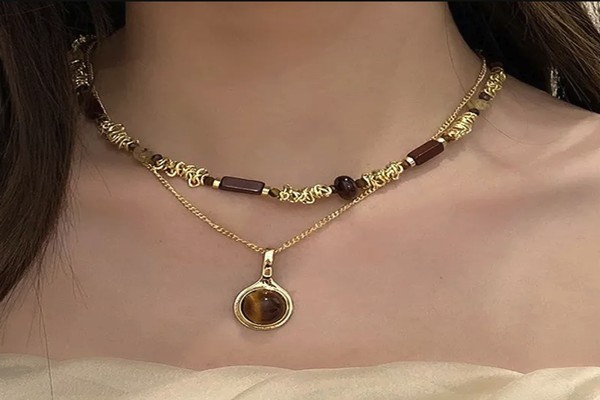
In the fast-paced world of fashion jewelry, agility is a more significant competitive advantage than sheer size. The ability to pivot quickly, test new trends without financial fear, and offer a constantly evolving catalog is what keeps modern consumers engaged.
No-MOQ wholesale jewelry platforms have leveled the playing field, giving small boutiques the sourcing power previously reserved for massive retail chains. By strategically using platforms like Nihaojewelry to curate micro-collections, rigorously test customer demand, and intelligently transition proven winners to volume orders, you can build a highly profitable, resilient retail business. Embrace the flexibility of no-MOQ sourcing, and let data, rather than guesswork, drive your inventory decisions in 2026 and beyond.
Building a Resilient Supply Chain with No-MOQ Platforms
Relying on a single supplier for all your inventory is a risky strategy, regardless of how reliable they seem. Factory closures, shipping delays, or sudden changes in product quality can severely disrupt your business. No-MOQ wholesale jewelry platforms offer a built-in solution to this problem by providing access to a vast network of manufacturers.
1. Diversifying Your Supplier Base
When you source through a platform like Nihaojewelry, you are not buying from a single factory; you are purchasing from hundreds of different manufacturers aggregated in one place. This inherent diversification protects your business. If one factory stops producing a specific style of stainless steel ring, you can easily find a nearly identical alternative from another manufacturer on the same platform, often without your customers ever noticing the switch.
2. Mitigating Supply Chain Disruptions
Global supply chains are vulnerable to various disruptions, from natural disasters to geopolitical events. Traditional retailers who place massive bulk orders months in advance are highly exposed to these risks. If a shipment is delayed, they have nothing to sell. The no-MOQ model allows for a more agile approach. Because you are ordering smaller quantities more frequently, you can quickly pivot to different product categories or suppliers if a specific region or factory experiences delays.
3. Continuous Quality Assessment
With traditional high-MOQ sourcing, you are locked into a large batch of inventory. If the quality is subpar, you are stuck with it. No-MOQ sourcing allows for continuous quality assessment. Every small order is an opportunity to evaluate the manufacturer’s consistency. If a batch of 18K gold PVD-coated necklaces arrives with a slightly different hue than the previous order, you can immediately switch to a different supplier for your next restock, minimizing the impact on your overall inventory quality.
The Financial Mechanics of No-MOQ Sourcing
Understanding the financial implications of no-MOQ sourcing is crucial for maximizing your profitability. While the ability to buy single items is liberating, it requires a different approach to pricing and cash flow management than traditional bulk purchasing.
1. Calculating Your True Landed Cost
When you buy in micro-quantities, shipping costs make up a larger percentage of your total expenses. It is essential to calculate your true landed cost-the cost of the item plus the proportional cost of shipping, customs duties, and packaging. For example, if you buy a $2 pair of earrings but the proportional shipping cost is $1, your landed cost is $3. You must base your retail pricing on this $3 figure to ensure you maintain a healthy profit margin.
2. Optimizing Order Frequency and Size
While you can order a single item, it is rarely financially prudent to do so due to shipping costs. The key is to find the “sweet spot” between order frequency and order size. Consolidate your no-MOQ test items with your regular restocks of proven bestsellers. By building a larger cart, you distribute the shipping costs across more items, lowering the landed cost of each piece and increasing your overall profitability.
3. Cash Flow Management
The most significant financial benefit of no-MOQ sourcing is improved cash flow. Instead of tying up thousands of dollars in inventory that may take months to sell, you can keep your capital liquid. This liquidity allows you to invest in other areas of your business, such as marketing, website improvements, or customer acquisition. It also provides a financial buffer to weather slow sales periods without the stress of sitting on unsellable stock.
Marketing Strategies for a Constantly Evolving Catalog
One of the primary benefits of no-MOQ sourcing is the ability to offer a constantly refreshing catalog. However, this rapid turnover requires a dynamic marketing strategy to keep your customers engaged and informed.
1. The “New Arrivals” Drop Strategy
Instead of quietly adding new items to your website, turn your no-MOQ test orders into marketing events. Create a weekly or bi-weekly “New Arrivals Drop.” Tease the upcoming products on your social media channels, highlighting the limited quantities available. This creates a sense of urgency and exclusivity. Customers know that if they do not purchase immediately, the item might sell out and not be restocked, driving faster conversions.
2. Leveraging User-Generated Content (UGC)
When you are constantly testing new styles, you need a steady stream of content to promote them. Encourage your customers to share photos of themselves wearing your jewelry by offering a small discount on their next purchase. User-Generated Content (UGC) is highly persuasive because it provides social proof. Seeing a real person styling a new stainless steel paperclip chain is often more effective than a professional product photo.
3. Email Marketing for Targeted Promotions
Use your email list to promote specific micro-collections. If you sourced a small batch of bohemian-style coin pendants, send a targeted email to customers who have previously purchased similar items. Because you are only holding a few units of each style, you do not need to blast your entire list; a targeted approach ensures high conversion rates without overwhelming your subscribers.
Navigating the Shift from Testing to Scaling
The ultimate goal of no-MOQ sourcing is not to buy single items forever, but to use micro-orders as a discovery tool to find the products that will scale your business. Recognizing when and how to make this transition is critical.
1. Identifying the “Core Collection”
As you test various styles, patterns will emerge. Certain items-perhaps a classic chunky gold hoop or a minimalist snake chain-will consistently sell out regardless of the season. These items form your “Core Collection.” They are the reliable revenue generators that stabilize your business. Once an item proves its staying power, it is time to graduate it from the no-MOQ testing phase.
2. Negotiating Volume Discounts
When you are ready to scale a core item, approach your supplier (or utilize the tiered pricing on platforms like Nihaojewelry) to negotiate volume discounts. Buying 50 or 100 units of a proven bestseller significantly lowers your per-unit cost, dramatically increasing your profit margin. This is where the real money is made in retail: using the high margins from your core collection to fund the continuous testing of new, trend-driven styles.
3. Balancing Inventory Investment
A healthy jewelry boutique maintains a balance between stable, high-volume core items and agile, low-volume test items. A common rule of thumb is to invest 70% of your inventory budget in your proven core collection (purchased in volume for better margins) and reserve 30% for no-MOQ testing of new trends. This balanced approach ensures steady revenue while keeping your storefront fresh and exciting.
Conclusion: The Future of Independent Retail
The era of being forced into massive inventory commitments is over. No-MOQ wholesale jewelry sourcing has fundamentally changed the retail landscape, empowering independent boutiques and online sellers to operate with the agility and data-driven precision previously reserved for massive e-commerce giants.
By leveraging platforms like Nihaojewelry, you can eliminate the financial risk of dead stock, offer a constantly evolving catalog that delights your customers, and build a resilient supply chain that can weather industry disruptions. The key to success lies in using the no-MOQ model strategically: rigorously testing micro-collections, analyzing the sales data, and intelligently transitioning your proven winners into high-margin volume orders.
As you master this dynamic approach to inventory management, you will find that your business is not only more profitable but also more adaptable to the ever-changing currents of fashion. In 2026 and beyond, the most successful jewelry retailers will not be those with the largest warehouses, but those with the most agile and responsive sourcing strategies.