
Buyers shopping for a desk chair often prioritise how thick the cushioning looks in a photo, assuming more padding automatically means more comfort over a full working day. Comfort over eight hours has far more to do with how many points of the chair adjust to an individual body, seat height, seat depth, lumbar position, armrest height, than with how soft the initial impression feels in a showroom. Understanding what actually determines comfort in a desk chair prevents the common experience of a chair that felt fine for the first ten minutes and uncomfortable for the rest of the working week.
Why Adjustability Matters More Than Cushioning
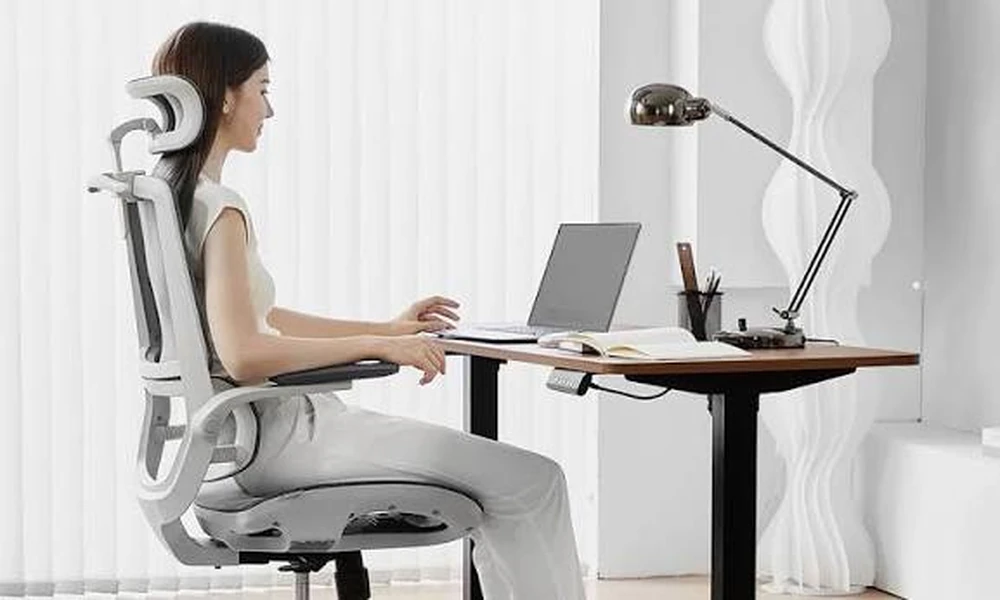
A chair with five points of adjustment fitted correctly to an individual’s body outperforms a heavily cushioned chair with no adjustment at all, since cushioning cannot compensate for a seat that sits at the wrong height or a backrest that hits the spine in the wrong place. Cushioning affects short-term impression; adjustability affects whether the chair actually suits the person sitting in it for hours at a stretch.
Lumbar Support and What Actually Works
Effective lumbar support sits at the natural curve of the lower back and is adjustable in height, since a fixed lumbar bump positioned for one body will sit in the wrong place for another. A chair advertising lumbar support without height adjustment is providing support to whichever body happens to match its fixed design, not to the specific person actually using it.
Seat Depth and Height Range
Seat depth should allow a gap of roughly two to three fingers between the front edge of the seat and the back of the knee, since a seat too deep presses into the knee and one too shallow fails to support the thighs properly. Seat height range needs to accommodate the specific desk height and the user’s own leg length, which is why a generic one-size chair rarely suits every desk in a shared office.
Armrest Adjustability for Different Desk Heights
Armrests that adjust in height, and ideally in width and pivot as well, let a chair suit both a standard desk and a sit-stand desk at different heights, whereas fixed armrests often end up either unused or actively in the way. Checking armrest adjustability against the specific desks the chair will be paired with avoids buying a chair that fits the desk in the showroom but not the one it actually ends up beside.
Material Choice for Long Sitting Hours
Mesh backrests breathe better in a warm climate and suit longer sitting hours without the heat buildup that heavier upholstered fabric can create, while foam-cushioned seats generally offer more consistent support over time than a thinner mesh seat pan. The right combination depends on climate control in the specific office and how many hours a day the chair is actually in use.
Weight Capacity and Build Quality
A chair’s stated weight capacity reflects the point at which the gas lift, frame and castors are rated to perform safely, and buying below that capacity for a specific user provides a margin that extends the chair’s working life considerably. Checking the base material, steel typically outlasting reinforced nylon under heavy daily use, matters more for a shared office chair than for one used occasionally.
Task Chairs Versus Executive Chairs
Task chairs prioritise ergonomic adjustment and are generally the better choice for anyone sitting at a desk for most of the working day, while executive chairs prioritise appearance and a more reclined, relaxed sitting position suited to meetings rather than sustained desk work. Choosing based on actual daily use, rather than which looks more senior, produces a more comfortable outcome for the person actually sitting in it.
Trial Periods and Why They Matter
A chair that feels acceptable during a five-minute showroom trial can reveal pressure points or inadequate lumbar support only after several hours of actual use, which is why a trial period of at least a few days, if offered, is worth using properly before committing to an office-wide order. Suppliers confident in their product’s ergonomics are generally willing to offer this.
Common Mistakes When Buying for a Whole Office
Ordering the same chair size and configuration for an entire office assumes every employee shares the same body dimensions, which is rarely true and leaves some staff poorly served regardless of the chair’s overall quality. Offering at least two size or adjustment ranges across a larger office, rather than one uniform model, better serves the actual range of people using the chairs daily.
Maintenance That Extends a Chair’s Working Life
Gas lifts, castor wheels and tilt mechanisms all wear gradually with daily use, and a chair that starts sinking slowly or rolling unevenly is usually fixable with a replaceable part rather than needing full replacement, provided the fault is caught early. Checking whether a supplier stocks spare parts for the specific model being purchased is worth doing before buying, not after a mechanism starts failing years into ownership, since some models become impossible to service once discontinued.
Making the Right Choice for Your Body
Choosing the right desk chair comes down to matching adjustability, seat dimensions and material to the specific person and desk it will be paired with, rather than choosing based on cushioning thickness or overall appearance. A chair that fits properly on every adjustable point is worth more to daily comfort than one that simply looks the most substantial in a showroom.