
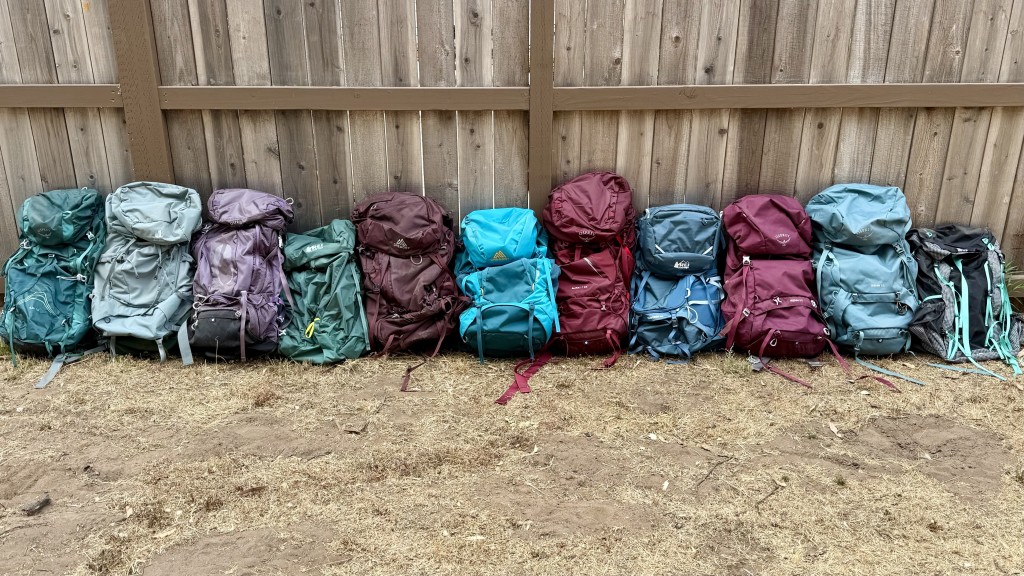
Whether you’re a student hauling textbooks across campus, a professional zipping to meetings, or a traveler chasing adventures, backpacks are the unsung heroes of daily life. They’re not just bags—they’re your portable home base, keeping your laptop, snacks, and dreams safe while you move through the world. In this humanized guide, I’ll walk you through why backpacks matter, the must-have features to look for, how they stack up against other options like trolley bags, some top picks from popular brands, and a friendly buying guide to help you find the perfect backpack for you. Let’s dive in!
Introduction: Why Backpacks Are a Game-Changer
Picture this: you’re rushing to catch a train, your laptop’s tucked safely in its sleeve, your water bottle’s secure, and your keys are actually easy to find for once. That’s the magic of a good backpack. Unlike a clunky suitcase or a one-shoulder tote that leaves you lopsided, backpacks spread the weight across your shoulders, keeping your hands free to text, sip coffee, or wave at a friend. They’re perfect for students juggling heavy loads, professionals needing a polished look, or travelers who want to pack light without sacrificing essentials. With so many styles and features, there’s a backpack out there that feels like it was made just for you.
Key Features to Look for in Backpacks
Not all backpacks are created equal, and the right one can make or break your day. Here’s what to keep an eye out for when picking your new favorite:
1. Size and Laptop Compatibility
Your backpack needs to fit your stuff—especially your laptop if you’re carrying one. Check the bag’s laptop compartment size (usually 13 to 17 inches). If you use a chunky case, size up a bit. For example, the EVERGOODS Civic Panel Loader (16L) fits a 16-inch laptop but stays sleek enough for smaller devices.
2. Padding and Protection
Nobody wants a cracked laptop screen after a bumpy commute. Look for padded laptop sleeves or compartments with a “false bottom” to keep your device off the ground, like the Aer Duffel Pack 3. Bonus points for extra padding for tablets or cameras if you’re a multi-gadget person.
3. Storage and Organization
A good backpack is like a Mary Poppins bag—everything has its place. Multiple compartments, zippered pockets, and mesh organizers make it easy to grab your charger or passport without digging. The Cotopaxi Allpa 35L, with its clamshell design and side-access zippers, is a dream for staying organized.
4. Comfort and Ergonomics
If you’re carrying your backpack for hours, comfort is everything. Padded shoulder straps and breathable back panels are a must. Adjustable chest or waist straps, like on the Osprey Sojourn Porter 46L, keep the weight balanced. Trust me, your back will thank you.
5. Durability and Materials
You want a backpack that can handle spilled coffee, crowded buses, and the occasional rain shower. Look for tough materials like ballistic nylon or CORDURA®, like in the Peak Design 45L Travel Backpack. YKK zippers (found on the Troubadour Apex 3.0) are a sign of quality that won’t jam or break.
6. Water Resistance
Weather’s unpredictable, and your gear deserves protection. Water-resistant fabrics, like the polyurethane coating on the Rains Backpack, or waterproof bottoms, like on the Timbuk2 Authority Deluxe, keep your stuff dry when the skies open up.
Backpacks vs. Trolley Bags: What’s the Vibe?
Backpacks are awesome, but how do they compare to trolley bags (those wheeled suitcases you see rolling through airports)? Let’s break it down:
Portability and Ease of Transport
- Backpacks: These are your go-to for hands-free freedom. Whether you’re biking to class or hiking to a hostel, backpacks like the ALPAKA Bravo keep you agile and comfortable. The downside? Heavy loads can make your shoulders ache after a while.
- Trolley Bags: Perfect for airports or smooth surfaces, trolley bags let you roll heavy gear without breaking a sweat. But stairs or cobblestone streets? Not their friend. Convertible options like the Asenlin 40L Travel Backpack give you the best of both worlds.
Navigating Crowded Spaces
- Backpacks: In packed trains or busy streets, backpacks shine. They’re compact and let you slip through crowds. The Pacsafe Go, for example, is slim enough to fit under an airplane seat without a hassle.
- Trolley Bags: These can feel clunky in tight spaces, taking up floor room and slowing you down. A trolley sleeve (like on the Timbuk2 Division) helps by letting you stack it on other luggage, but it’s still less nimble.
Who They’re For
- Students: Backpacks like the Fjällräven Kånken Outlong are lightweight and stylish, with room for books, laptops, and snacks—perfect for campus life.
- Professionals: Sleek backpacks like the Troubadour Apex 3.0 scream “I’ve got my life together” while fitting a laptop and meeting notes. Trolley bags work for frequent business travelers but feel overkill for daily commutes.
- Travelers: Backpacks like the Peak Design 45L are carry-on-friendly and expandable for souvenirs. Trolley bags, like the Osprey Sojourn Porter 46L, are better for longer trips with heavier loads.
The Verdict: Backpacks are your best bet for versatility, crowded spaces, and hands-free vibes. Trolley bags are great for heavy loads or airport sprints but less practical for daily hustle or rough terrain.
Buying Guide: How to Pick Your Perfect Backpack
Finding the right backpack is like finding a good friend—it’s gotta fit your vibe and have your back (literally). Here’s how to choose:
- Know Your Needs:
- Students: Go for lightweight, affordable options with laptop sleeves and book space, like the Fjällräven Kånken Outlong.
- Professionals: Pick polished, durable backpacks like the Troubadour Apex 3.0 for a boardroom-ready look.
- Travelers: Look for carry-on-friendly, expandable bags like the Peak Design 45L or Cotopaxi Allpa 35L.
- Check Laptop Fit: Make sure the laptop compartment matches your device’s size. If you use a sleeve, double-check the dimensions to avoid a tight squeeze.
- Prioritize Comfort: Padded straps and a breathable back panel are non-negotiable for long days. Chest or waist straps (like on the Osprey Sojourn Porter) help with heavy loads.
- Focus on Protection: A padded laptop sleeve is a must. Water-resistant materials and anti-theft features, like lockable zippers on the Pacsafe Go, add extra security.
- Think About Storage: Need room for gym clothes, a water bottle, or travel gear? Clamshell designs (like the Cotopaxi Allpa) or extra pockets make organization a breeze.
- Set a Budget: You can snag a solid backpack like the Asenlin 40L for $50–$80 or splurge on a premium pick like the Peak Design 45L ($300–$350). Decide what features are worth the investment.
- Do Your Homework: Read reviews on sites like Travel + Leisure or Wirecutter, and if you can, try the backpack on in-store to feel the fit and weight.
- Bonus Features: Look for extras like trolley sleeves, USB charging ports (like on the Peugeot Voyages), or eco-friendly materials for that feel-good factor.
Conclusion: Why a Great Backpack Changes Everything
A good backpack isn’t just about carrying stuff—it’s about making your life easier, more organized, and maybe even a little more stylish. Whether you’re dodging raindrops on your commute, packing for a weekend getaway, or just trying to keep your laptop safe, the right backpack is like a trusty sidekick. From budget-friendly picks like the Fjällräven Kånken to high-end travel champs like the Peak Design 45L, there’s a backpack out there that fits your life perfectly. So, think about how you move through the world, what you need to carry, and what makes you feel good. Then go find your perfect backpack—it’s ready to make every day a little smoother.