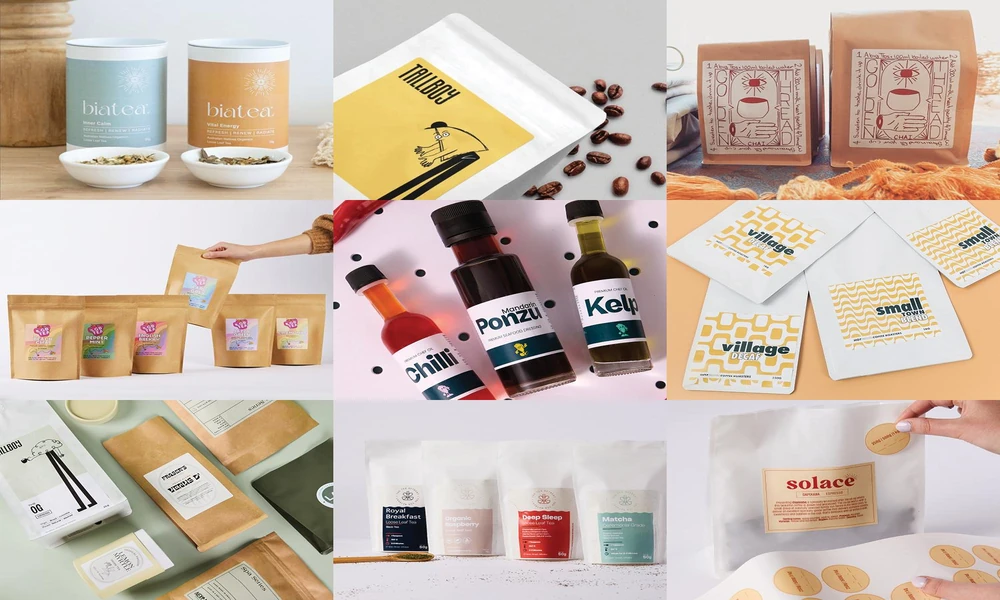

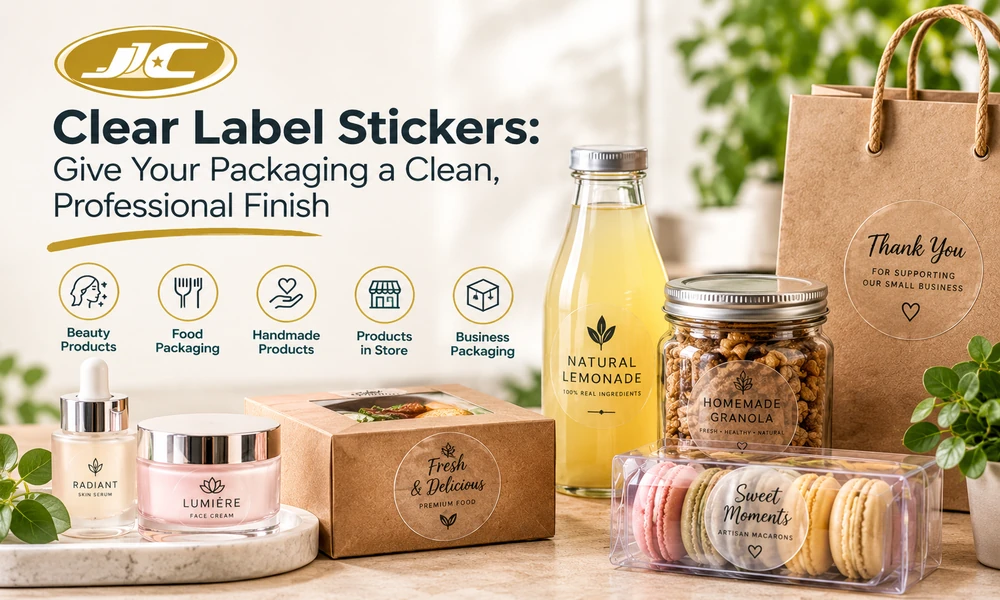
A product label is not rocket science. It should contain information that identifies value, assist individuals in identifying a brand, and also appear pleasant on the packaging. Sometimes, a big strong label can overwhelm the product. Another alternative is clear label stickers where the area under the design can be seen through it.
These functions are excellent on glass containers, plastic bottles, cosmetic boxes, gift bins, and various different sleek surfaces. They can use them even to add a logo without modifying their packaging. These can be used by established brands to maintain neat and uniform product labels.
However, the trick is to match the label with the product. And the result is not only influenced by this, but by material, print color, and layout.
The Moments When Your Packaging Should Speak for Itself
Picture a candle in a neat clear glass jar. Two such candle colors and textures are a thing of beauty. A giant paper label could take up too much of the jar. One solution is simply a transparent label positioning itself on top of the sleeve with a simple logo allowing you to market your brand without lessening your valuable product.
And this is one of the reasons why companies select these clear label stickers. They can provide valuable content without producing a cumbersome backbone.
Common uses include:
- Beauty products: Logos and product names on bottles of face-care and cosmetic jars.
- Food packaging: Meaning even labels for appropriate jars, bottles, and containers will need to comply with existing labelling regulations.
- Handmade products: Branding for candles, soaps, gifts, and craft items.
- Products in Store: Tags on transparent boxes outside, plastic packs, or glass containers.
- Business packaging: Brand marks, seals, and customized designs for delivered orders.
Each use has its own needs. A logo label can be a bare minimum version of what you should have, whereas for a product it would require more text and has to comply with local laws as well.
A Label Has to Pair Up with the Surface
Transparent labels do not come with an opaque background that should cover the surface below them. This can turn out to be an advantage for you, but it does things to ease and how your design looks.
While a dark logo might pop on a pale bottle, it can be challenging to see on dark jars. On transparent packaging you may not be able to see the lighter colors. The color of the product, even if in a container, can affect a final appearance.
Check these out before you finalize your design:
- Surface Color: Find out if the label will be on clear glass, white plastic, dark packaging, or a colored product.
- Printing Colors: Check if the selected colors will stay sharp on a transparent ground.
- Text Size: Small text requires more contrast to remain legible.
- White Ink: Some printers are able to print white underneath selected portions of the design. While this can make colors more solid, it can have the cost impact as well.
When the final appearance is very important, ask for a printed sample and put it on the real product before placing a large order.
Choosing the Right Label Material
As far as clear labels go, not all are created equal. Some are for indoor packaging, while the others work well in cases of outdoor conditions or where products will be handled more often.
Clear film and vinyl
A clear film label can fit a number of packaging needs. If you need something that is flowable, a glossy clear vinyl works best to create the type of labels and decals you may be looking for. Which lubricant to use is dependent on the product, surface, and expected conditions.
Inquire from the supplier about thickness, strength, and usage. In contrast, the label for a dry glass jar does not require the same characteristics as an option on a bottle that gets soaked most of the time.
Adhesive type
The glue should match the surface. Glass, slick person plastic, and rounded containers might also call for diverse consideration.
In case the label has to be removed after some time, inquire of removable adhesive. The ease of removal will depend on the material, surface, and how long it has been applied.
Finish
A gloss finish is one of the finishes that add some shine and can have a high-polished look. A matte finish will be less shiny and give a smoother appearance. The better option is dependent on packaging style and brand design.
Create a Label That the World Can Understand
A transparent background renders a label visually quite simple − but this does not resolve a cluttered layout. It will be difficult to interpret the design where text is plenty in number and more amounts of content.
There are so many content formats and distribution channels out there that it is wise to start with the most fundamental information. Some products can just consist of a logo, product name, or one simple detail. If additional information is needed, structure it with spacing and a prominent font.
Use a sharp logo file. Vector artwork ensures logos and lettering remain sharp when scaling. Ask the printer what file types it accepts.
Cross-check the spelling on them along with product details, length, widths, and colors before printing. View the proof at its full scale. What looks good on a big screen may shrink too small to read on a bottle.
If there are regulations dictating the labelling of specific products, ensure that the label contains all mandatory information. A neat appearance should never be at the expense of clarity or compliance.
Ordering Without Wasting Your Budget
There are various factors for the price of clear labels stickers such as size, shape, material, print method, and finish. An additional per-print cost may apply depending on specific options such as white ink or custom cutting.
You can compare suppliers by giving them the same information. Mention the dimension, number of copies, graphic file type, type of surface. and the purpose of using it. Inspect if it includes artwork setup, packaging, proofing, and delivery.
Although, you will likely want a small test batch for a new product that lets you see what the look and glue are like before potentially ordering more. This is useful whenever the labels are emblazoned atop the acute curves of bottles or on dark packaging.
Capture all information on approved artwork and materials for future orders. This helps keep the appearance similar when you need to replenish.
Combine Transparency with Your Labels
On the other hand, clear label stickers can make products look organized while the packaging remains visible. They are ideal for most consumer goods, artisanal products, and branded packaging.
Opt for suitable material, design the label to be easy to read, and test it on the desired surface to yield the optimal result. Use the same specs to compare suppliers and approve a sample whenever required.
Following these steps accordingly helps you create labels that support your brand, cover essential details, and projects a clean look for your products.